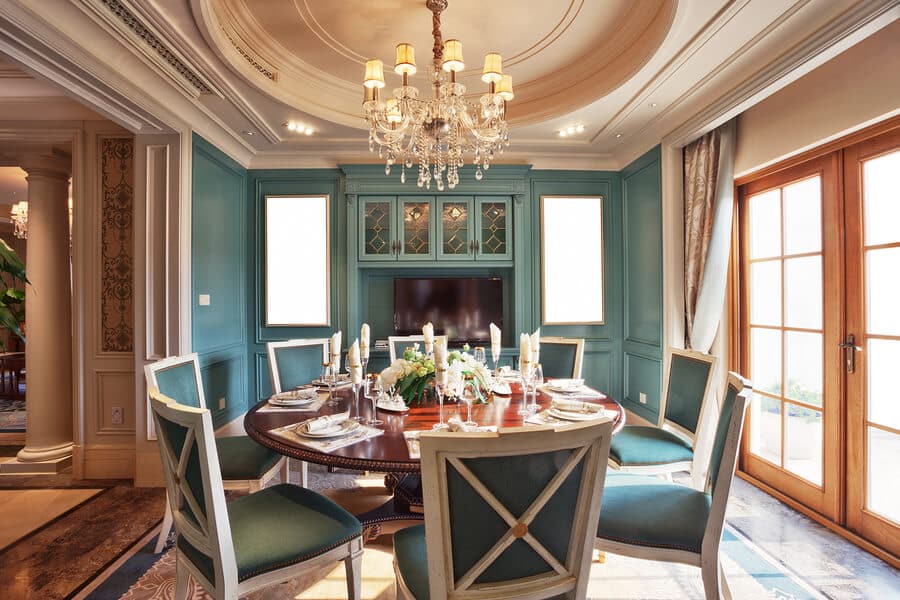
For a well-lit home, incorporate layers of light

Lighting plays a large role in the success of a room. So many homes I visit are inadequately lit. Sometimes one lamp in the corner is all there is. Other times, there are so many lamps that the room looks like a lighting showroom. The goal with lighting is to create a layered effect, using three different types of lighting-ambient, task, and accent lighting.

Ambient lighting allows you to navigate safely and fills the room with a soft glow. Great choices for ambient light are those that bounce light off the walls or ceiling, such as torchiere lamps or wall sconces. A light-colored ceiling will reflect more light than a dark-colored ceiling. A ceiling fixture that aims light upward can also provide ambient light, but one type of lighting is not enough. A room containing only ambient light can look flat, with no depth or dimension.

Task lighting provides illumination right where you need it. For example, a desk lamp will light up your writing surface, while a swing-arm floor lamp next to the sofa will provide good light for reading. Overhead lighting is generally not good for task lighting because it casts shadows of your head and hands onto your work surface.

Accent lighting does just that-it accents certain features of the room. Perhaps you’d like to highlight an art collection or a beautiful fireplace. Use recessed wall-washer lights or track fixtures in the ceiling to direct light onto those items. Also use accent lighting to highlight drapery fabric, as well as interesting wall finishes like wallpaper or faux finishes. Accent lighting should not be the only lighting in the room; instead, use it in conjunction with ambient lighting.

Combining task, accent, and ambient light in a room will assure that your room is beautiful and functional. When planning your lighting, evaluate the activities that will take place in that room. Your living room, for example may benefit from ambient light in the form of two floor lamps, an accent light calling attention to the new marble fireplace, a table lamp highlighting the accessories on the end table, and a task light on the little writing table in the corner. In your dining room, a gorgeous crystal chandelier can provide ambient lighting, but for even more depth and interest, add a pair of lamps on the buffet, and accent lighting to highlight the artwork on the wall. Whenever possible, use dimmer switches to allow for even more lighting combinations.

This article appeared in The Tri-City Voice on April 8, 2011.

October not too late in year to declare, ‘Let there be light’

Many of you have asked me about my own remodeling project. I wish I could say it was complete, but the truth is we haven’t even started yet. Our start date has been moved till October, as a result of busy contractors’ schedules. I have been told that the one we chose is worth the wait, and so that’s what I’m doing. He’s finishing a friend’s house, and we are next. My plans are done, most of my selections have been made, and I’m waiting, as patiently as I can, until October.

One of my goals for this remodeling project is to turn my somewhat dark home into a light and bright house. Because of the number of windows and the way our house sits on the lot, we do not get enough natural light. Many of my clients live in new homes, where windows are plentiful and light streams in. I am anticipating that the design changes I have made will give my home a similar look and feel. I am adding two sun tunnels, in my laundry room and kids’ bathroom, where currently there are no windows. This will light up not only those two rooms, but the adjoining hallway as well. A new skylight will illuminate the entry, accentuating the slate floor tiles. In the kitchen, another skylight, a wall of windows and a new sliding door will bring in plenty of sunshine. Three windows will make my new office light and bright.

Besides an infusion of natural light, I have also specified more artificial lighting. Fluorescents will light up my kitchen counters, providing much needed task lighting. Pendant fixtures will shine on my new breakfast bar, and recessed lights will be installed around the perimeter of the kitchen and in the hallway to my new office. Wall sconces will add a decorative touch, as well as illuminate my “central command” area, where the family calendar and telephones will be kept. Small lights will highlight glassware in the glass-front cabinet. We are adding more recessed lights in the living room and family room, and a new “wall washer” recessed light will highlight the new fireplace. More electrical outlets will allow me to place table and floor lamps where they are needed.

There are three types of lighting – general, task, and accent lighting. My design incorporates all three. General light allows us to move safely and comfortably in a space. Recessed lights, chandeliers and floor lamps are examples of general lighting. Task lighting includes desk lamps, under-cabinet lighting and bedside reading lights. Accent lighting is used to highlight art, a beautiful wall or fireplace, or sparkling crystal in a cabinet. Make sure you plan for all three lighting types as you work on your home.

Lighting has a profound effect on the mood, beauty and functionality of your environment. When lighting is inadequate, you notice right away. When it is done well, you hardly notice it; all you know is that the room just feels comfortable and looks great.

This article first appeared in Alameda Newspaper Group papers on Sept. 18, 2004.